
Should You Trust Franchise Exhibitions? Verify Before Paying a Franchise Fee
Written By: Khushboo Verma
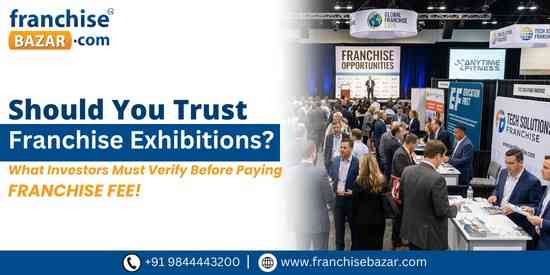
Franchise exhibitions have become common in India's business calendar. Almost every major city hosts multiple franchise expos yearly, promising access to hundreds of brands under one roof. For aspiring entrepreneurs, these events look like shortcuts. You walk in curious, you walk out with brochures, numbers, and sometimes pressure to pay a franchise fee immediately.
This raises a critical question: should you trust franchise exhibitions, or are they just well-packaged sales floors?
The answer sits in the middle. Franchise exhibitions are neither scams by default nor guarantees of good investment. They are marketplaces where outcomes depend on how well you verify what is being sold.
This article answers two questions: should you trust franchise exhibitions, and what must you verify before paying any franchise fee.
Should You Trust Franchise Exhibitions? The Direct Answer
Trust them for discovery, not for decisions.
Franchise exhibitions serve a legitimate purpose connecting brands with investors quickly. In two or three days, you can explore food, retail, education, healthcare, and service franchises without months of individual research.
However, exhibitions are not quality assurance platforms. Most operate on a paid-stall model. If a brand pays the participation fee and submits basic documentation, it gets a booth. Exhibition organizers rarely verify financial health, franchisee profitability, closure rates, or business sustainability.
Therefore, trust the event to introduce opportunities. Never trust it to validate them.
Recent franchise scams highlight this risk. In May 2025, victims of the Dallas Ecom Infotech scam protested after losing over Rs 3,000 crore. The company sold fake delivery franchises ranging from Rs 1.5 lakh to Rs 32.5 lakh at exhibitions, then vanished after collecting fees from 950+ investors.
Fraudulent franchisors use exhibitions, slick presentations, and professional stalls to appear legitimate. Without independent verification, investors cannot separate genuine brands from sophisticated scams.
Understanding India's Franchise Market in 2026
India's franchise industry is valued at approximately USD 50-55 billion in 2026, growing at 30-35% annually. Projections suggest it could reach USD 140-150 billion by 2028.
India ranks as the second-largest franchise market globally with over 4,600 active brands and around 300 new franchises entering yearly.
The franchise industry sees maximum activity in food and beverage, which holds a 30% market share, followed by retail, education, healthcare, and automotive businesses.
This growth attracts serious capital but also means more brands compete for investor attention. Not all operate with equal integrity or profitability.
Why Franchise Exhibitions Feel Convincing
Most franchise expos follow similar structures. Clean stalls, professional sales teams, banners highlighting revenue numbers and ROI timelines. Some display celebrity endorsements or media features creating credibility.
But legitimacy and suitability are different. A brand can be legally registered, actively selling franchises, and still be a poor investment with high closure rates, hidden costs, or failing unit economics that exhibitions never highlight.
Common Sales Tactics at Franchise Exhibitions
Understanding how stalls operate helps you interpret conversations better.
High ROI projections: Brands quote best-case scenarios based on top outlets in ideal locations, not typical ones.
Limited-time pressure: Phrases like "expo-only discount" or "last territory left" rush decisions and bypass verification.
Selective success stories:Sales teams highlight strongest franchisees while avoiding closures or underperforming outlets.
Vague operational details: Setup costs are discussed, but working capital, recurring expenses, and manpower challenges are glossed over.
None of these tactics automatically mean fraud, but you must slow down and never commit at exhibitions.
What Investors Must Verify Before Paying Any Franchise Fee
This is the critical section. Before paying a franchise fee initiated at an exhibition, independently verify these seven elements.
1. Actual Operating Outlets, Not Claimed Numbers
Ask the brand representative how many outlets are currently operational and profitable.
Then verify yourself by searching the brand on Google Maps, reading recent customer reviews, visiting 2-3 outlets unannounced, and checking social media activity.
A brand claiming 200 outlets but showing only 60 active locations online is a red flag.
2. Franchisee-Level Economics, Not Brand-Level Revenue
Many brands discuss total company turnover or system-wide sales. That figure means little to a franchisee.
What matters is unit economics. Get answers on average monthly sales per outlet (not the best outlet), typical rent-to-revenue ratio, staff costs, royalty and marketing fees, and net margins after expenses.
When the brand refuses to provide estimated unit-level profit and loss figures, consider this a serious warning signal.
Table: Critical Financial Metrics to Verify Before Paying Franchise Fee
|
Metric |
What to Ask |
Why It Matters |
|
Average Monthly Revenue |
What does a typical outlet earn monthly? |
Shows realistic income expectations |
|
Breakeven Timeline |
How long until profitability? |
Indicates capital lock-in period |
|
Operating Margin |
Net profit after all costs? |
Determines actual take-home earnings |
|
Royalty Structure |
Percentage to franchisor? |
Affects long-term profitability |
|
Working Capital |
Cash needed beyond setup? |
Prevents liquidity crunch after launch |
Verification method: Speak to at least 5 existing franchisees privately. Ask them about monthly revenue, expenses, and actual take-home profit. Compare their answers with franchisor claims.
3. Closure and Exit History
Every franchise system has closures. What matters is how many, why they happened, and how the brand handled them.
Ask directly how many outlets closed in the last two years, primary reasons for closure, whether franchisees could exit or resell, and if the brand assisted with exits.
A brand refusing to discuss closures is hiding something.
Verification method: Search online for "[Brand name] franchise closed" or complaints. Check consumer forums and social media. Contact former franchisees if possible.
4. Post-Launch Support, Not Just Setup Assistance
Most sales teams emphasize pre-opening support. What you need clarity on is post-launch reality.
Verify frequency of operational audits, availability of regional support managers, average response time for issues, ongoing training schedules, and marketing support beyond launch week.
Many investors realize support drops sharply once fees are paid.
Verification method: Ask current franchisees how often they receive support visits, query resolution speed, and whether the franchisor delivers on promises.
5. Supply Chain Dependence and Actual Costs
Ask where raw materials or products are sourced. Are you locked into buying everything from the franchisor? At what margins?
A controlled supply chain works only if pricing remains competitive. Some franchisors profit more from supplying franchisees than from fees.
Ask for a complete list of items you must purchase, pricing comparison with market rates, penalties for alternative suppliers, and minimum monthly purchase obligations.
Verification method: Take the supply price list and compare it with market rates independently. Calculate how supply costs will impact your margins.
6. Territory Protection in Writing
Exhibition pitches often promise "exclusive territory" which must be defined in writing with specific parameters.
Clarify radius protection in kilometers, online delivery overlap, company-owned outlets nearby, and future expansion rights.
Undefined territory promises are meaningless. Get geographic boundaries marked on a map and included in the agreement.
Verification method: Review the franchise agreement draft before paying any fee. Ensure territory protection clauses are explicit and enforceable.
7. Complete Legal Documentation Before Any Payment
Never pay any amount without reviewing the franchise agreement draft (complete document), fee structure breakdown, refund policy, termination clauses, renewal terms, and exit conditions.
Verbal assurances at exhibitions have no legal value. Everything must be written into the agreement.
Verification method: Hire a lawyer experienced in franchise law to review the agreement before signing. This typically costs Rs 10,000-25,000 but can save lakhs later.
Why Investors Lose Money After Franchise Exhibitions
The pattern is consistent. Investors get excited by presentations, pressured by timelines, and reassured by professionalism. They skip verification, assuming they will "figure it out later."
Later arrives after the franchise fee is paid and money is gone.
Recent scam cases show fraud sophistication. The Ecom Delivery scam operated professional offices in Delhi and Mumbai with convincing websites and detailed franchise models at exhibitions. Only after collecting crores did offices shut down.
Experienced investors treat exhibitions as research grounds, not commitment zones. They collect information, then verify every claim independently.
How Smart Investors Use Franchise Exhibitions
Successful investors follow a disciplined approach when asking should you trust franchise exhibitions.
They shortlist 3 to 5 brands at exhibitions, ask structured questions, refuse to discuss payments or sign anything on day one, visit actual outlets within 30 days, speak to existing franchisees privately (not ones referred by the franchisor), involve legal and financial advisors, and take 60-90 days for complete verification before paying fees.
This transforms exhibitions from sales traps into intelligence hubs.
Red Flags to Watch at Franchise Exhibitions
Watch for these warning signs when evaluating brands at expos.
Immediate pressure tactics: If sales teams push you to pay deposits or sign agreements same day, walk away immediately.
Reluctance to share franchisee contacts: Brands refusing to connect you with existing franchisees likely have unhappy partners.
Unclear ownership structure: If you cannot identify who owns the brand or find company registration details, that is a major red flag.
Unrealistic ROI promises: Any brand promising breakeven within 6-12 months or guaranteed returns above 40-50% annually deserves extreme skepticism.
No written documentation: Professional franchises have detailed information packs and sample agreements ready. Brands relying on verbal pitches lack structure.
Reluctance to discuss closures: If the brand claims zero closures or refuses closure data, they are hiding information.
Industry Trends Affecting Franchise Exhibitions in 2026
Understanding market trends helps evaluate opportunities better.
Nearly 50% of new franchise outlets now open in Tier 2 and Tier 3 cities where competition is lower and real estate costs manageable.
Cloud kitchens, app-based service models, and hybrid retail-online formats are growing rapidly with lower initial investment requirements.
Eco-friendly brands and electric vehicle services attract consumer interest and government incentives.
These trends create genuine opportunities but also new categories where scammers operate before regulatory oversight catches up.
Questions to Ask at Every Franchise Exhibition Stall
Come prepared with specific questions. Their answers reveal brand professionalism.
- What is your total number of operational outlets today?
- How many outlets opened in the last 12 months?
- How many outlets closed in the last 24 months and why?
- Can you share contact details of 5 franchisees in different cities?
- What is the average monthly revenue of a typical outlet?
- What are the top 3 reasons your outlets underperform?
- What ongoing support do you provide after 6 months?
- Are franchisees required to purchase supplies exclusively from you?
- What are territory protection terms in the written agreement?
- Can I see a sample franchise agreement before discussing payment?
Note their answers carefully. Compare responses across brands. Hesitation, vague answers, or refusal to provide specifics are warning signs.
The Final Verdict
Trust franchise exhibitions to introduce opportunities. Never trust them to validate opportunities.
These events offer exposure and comparisons that would otherwise take months. However, they are designed to sell franchises, not protect your capital.
Real trust is earned outside exhibition halls through physical verification of outlets, private conversations with franchisees, financial scrutiny of unit economics, legal review of agreements, and market research on brand reputation.
If you treat exhibitions as the first step instead of the final step, they can work in your favor. If you treat them as shortcuts to ownership, they often become shortcuts to regret.
But not every brand is worth your investment. Exhibitions introduce possibilities. Your verification process determines success.
When you ask if you should trust franchise exhibitions, make sure the answer includes "only after independent verification before paying any franchise fee."
The verification checklist in this article is essential. Follow these seven steps before paying anything, and you significantly reduce your risk of becoming another franchise scam statistic.
Disclaimer: The brands mentioned in this blog are the recommendations provided by the author. FranchiseBAZAR does not claim to work with these brands / represent them / or are associated with them in any manner. Investors and prospective franchisees are to do their own due diligence before investing in any franchise business at their own risk and discretion. FranchiseBAZAR or its Directors disclaim any liability or risks arising out of any transactions that may take place due to the information provided in this blog.
Recent Blogs
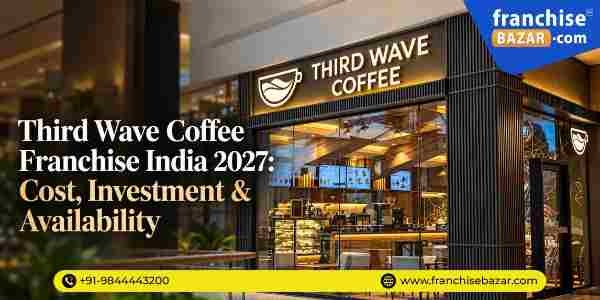
Quick Answer: Is There a Third Wave Coffee Franchise in India?
No....
Are you planning to open a preschool franchise in India in 2027? A...

Why Should I Register?
You are seeking to access information which is provided only to registered members. It takes less than a minute to register and access information on FRANCHISEBAZAR.